
Men
Nina (1987)

Acordes principales
Descripción
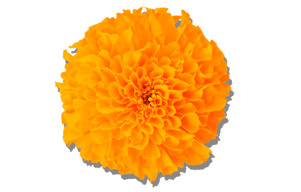
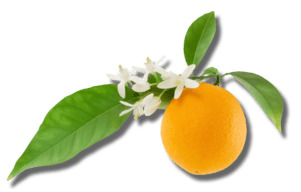
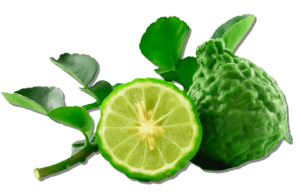
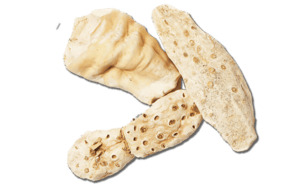
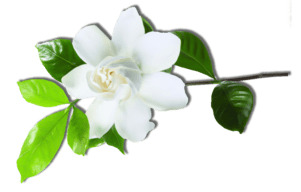
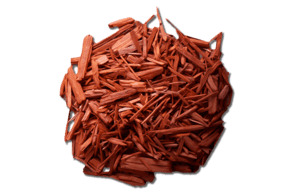
Nina (1987) by Nina Ricci is an aldehydic floral fragrance for women. Launched in 1987, the nose behind this composition is Christian Vacchiano. The top notes include aldehydes, mimosa, calendula, green notes, basil, blackberry buds, orange blossom, bergamot, peach, and lemon; the heart notes are formed by mimosa, ylang-ylang, violet, iris root, jasmine, black pepper, and rose; while the base notes reveal oakmoss, galbanum, iris, musk, blackberry syrup, vetiver, sandalwood, and patchouli.
Resumen rápido


Pirámide olfativa
Estructura completa de la fragancia: de la salida al fondo.










Comunidad
Qué dicen los usuarios sobre propiedad, preferencia y mejor momento de uso.
Propiedad
¿La tienen, la tuvieron o la quieren?
Preferencia
Cómo valora la comunidad esta fragancia.
Uso recomendado
Estación y momento del día con más votos.




Dónde comprar
Compara tiendas verificadas para Nina (1987) y elige según envío, precio o disponibilidad.

Amazon
Envío rápidoEntrega rápida y política de devoluciones conocida.
Ideal si priorizas velocidad y disponibilidad.
Ver en Amazon
eBay
Más opcionesMás opciones de precio, formatos y vendedores.
Útil para comparar alternativas antes de decidir.
Ver en eBay


Características
Resumen de votos sobre longevidad, estela, género y percepción de precio.
Longevidad
Escasa
Débil
Moderada
Duradera
Muy duradera
Estela
Suave
Moderada
Pesada
Enorme
Género
Femenino
Unisex femenino
Unisex
Unisex masculino
Masculino
Precio
Extremadamente costoso
Ligeramente costoso
Precio moderado
Buen precio
Excelente precio




Reseñas
Experiencias reales de la comunidad sobre uso diario, rendimiento y estela.
Para dejar una reseña necesitas iniciar sesión.
4 reseñas
Mostrando las más recientes primero.
Category:
The fragrance opens with an intense accord of green notes, black pepper, and basil, with a talcum aura and a sparkling presence of aldehydes. I’d like to analyze the civet note, which is the weak point: it doesn’t feel comfortable with the basil, the talcum powder, and the spiciness, and that environment doesn’t work in its favor, making the animalistic side end up sounding rancid. Fortunately, it fades with time. At first, the citrus and rose have a small but noticeable participation. After a few minutes, the initial notes drop in volume and the mimosa, very timid in the background, floats above everything, just like the rose with chypre touches. The talcum and aldehydic base seals it with an interesting moss note; that’s when the fragrance becomes more enjoyable. In the middle, it shows more violet, rose, mimosa, and now I do detect calendula. Conclusion: the beginning isn’t very pleasant, it risks with strange notes different from its previous creations. Over time, it reveals its beauty by calming those notes and lighting up its delicate florals. The creamy and talcum aspect stands out. Neither hate nor love, but it was interesting to smell it. Not the best of the 80s, but it’s approved. I like that it’s rare and distinct. Many compare it to Azzaro 9, but for me, it’s more in the style of Estée Lauder’s Beautiful; they have something in common but are distinct. That said, the bottle is a gem! One of the best of the 80s.
It’s a very lovely delight, but it reminds me quite a bit of Chanel No. 5. It’s soft, floral, talcum-powdered, and a bit dry due to the vetiver, patchouli, and basil that give it a very herbaceous touch. Then comes that explosive citrus note that makes it a little fresh. I don’t detect the fruits on my skin, but I still love its powdery, long-lasting dry-down, which closes with a splendid rose and sandalwood charm. That’s why I love it, because it suits me wonderfully on my pH.
Nina 1987 is a pretty fragrance and a piece in my miniature collection. The bottle design is sober yet elegant, just like its contents. It’s an aldehydic floral with the DNA of L’Air du Temps and Chanel No. 5, but here mimosa takes the central spotlight and a powdery heart that I adore. I’d break down this aldehydic family like this: Chanel No. 5 (1923) features ylang and rose; L’Air du Temps (1948) features carnation; Fidji (1966) a complex green hyacinth-jasmine; and Nina (1987) mimosa. I hope this analysis serves some scholar of this beautiful art to understand the magic of perfumery: how keeping a central skeleton, nuances change and these works of art emerge (even if my analysis is superficial and global).
I confess there are notes I get along with, either by taste or because they evoke that elusive woman hard to find these days. I’d love to meet a woman who wears something like this, where aldehydes take center stage, adding a powdery touch that enchants and transports you to another world. To me, these are effluvia that ignite passion, trails of latent sensuality that invite love as the notes grow in harmony. Nina is wonderful: feminine to the point of saturation, yet nothing vulgar or excessive. It’s the scent of a woman who knows how to be attractive, kind, and smiling; voluptuous yet elegant in every gesture. A beautiful floral chypre, light and rich in nuances, subtle and discreet, with refined animalism preceded by a spiced green fruit. In the heart, a coordinated floral dance where ylang-ylang and jasmine are noticeable, followed by a slightly powdery-resinous base that gives it that indispensable touch of sensuality. A beautiful creation like a caress, sensual, moderate, with good longevity that captivates me. It’s wonderful to get lost in this spell.