
Men
Timbuktu


Acordes principales
Descripción
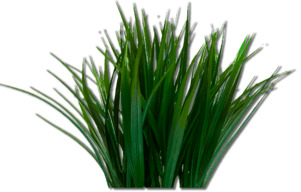
Timbuktu by L'Artisan Parfumeur is a woody-chypre fragrance for men and women. Launched in 2004, this composition was created by perfumer Bertrand Duchaufour. The top notes reveal a fresh mango accompanied by pink pepper and cardamom; the heart unfolds with incense, Egyptian papyrus, and karo karoundé flower; while the base offers a warm, persistent foundation of vetiver, myrrh, patchouli, and benzoin.
Resumen rápido


Pirámide olfativa
Estructura completa de la fragancia: de la salida al fondo.



Comunidad
Qué dicen los usuarios sobre propiedad, preferencia y mejor momento de uso.
Propiedad
¿La tienen, la tuvieron o la quieren?
Preferencia
Cómo valora la comunidad esta fragancia.
Uso recomendado
Estación y momento del día con más votos.


Dónde comprar
Compara tiendas verificadas para Timbuktu y elige según envío, precio o disponibilidad.

Amazon
Envío rápidoEntrega rápida y política de devoluciones conocida.
Ideal si priorizas velocidad y disponibilidad.
Ver en Amazon
eBay
Más opcionesMás opciones de precio, formatos y vendedores.
Útil para comparar alternativas antes de decidir.
Ver en eBay




Características
Resumen de votos sobre longevidad, estela, género y percepción de precio.
Longevidad
Escasa
Débil
Moderada
Duradera
Muy duradera
Estela
Suave
Moderada
Pesada
Enorme
Género
Femenino
Unisex femenino
Unisex
Unisex masculino
Masculino
Precio
Extremadamente costoso
Ligeramente costoso
Precio moderado
Buen precio
Excelente precio




Reseñas
Experiencias reales de la comunidad sobre uso diario, rendimiento y estela.
Para dejar una reseña necesitas iniciar sesión.
11 reseñas
Mostrando las más recientes primero.
Category:
From the start, I sensed Egyptian papyrus, mango, and incense in that order of intensity, with a very faint touch of cardamom, patchouli, and perhaps pink pepper. The result is powdery, slightly green, and somewhat woody, similar to Carlo Corinto in its green and woody aspects, but with that powdery touch of Givenchy Gentleman, like a mix of both. The vetiver isn’t the protagonist; I didn’t sense it clearly. Sometimes it tried to stand out but was overshadowed by the first three notes, as if they diluted a drop of good liquor in a liter of water. On my skin, it lasted about 9 hours: 5 hours of moderate-low sillage and 4 hours close to the skin, all very linear. It shares the cardamom note with Lalique White, but here I didn’t get that dirty sensation that Mona di Orio’s Vetyver gave me; I think it was the nutmeg combined with the others. It’s somewhat powdery, slightly arid, and stately, not very distinctive. I think it might appeal to older people looking for something vintage and not too avant-garde. Personally, it wasn’t unpleasant or bad, but it wasn’t what I expected. In short, nothing extraordinary. If you’re looking to try something new to gain experience, it could be an option, but if you’re hunting for something novel, distinctive, or with vetiver as the star, definitely not this one.
Opens with Egyptian papyrus, mango, and incense in that order of intensity. Faint notes of cardamom, patchouli, and perhaps pink pepper. The result is powdery, semi-green, and slightly woody, similar to Carlo Corinto in its greenness but with the powdery touch of Givenchy Gentleman. The vetiver isn’t the star; it’s like a drop in a liter of water, almost imperceptible. It lasted about 9 hours: 5 with medium-low trail and 4 skin-close, all very linear. It shares cardamom with Lalique White but without that dirty sensation I had with Mona di Orio’s Vetiver. It’s powdery, arid, and stately, not very distinctive. It might appeal to older fans seeking something vintage. It’s not unpleasant or bad, just not what I expected. Nothing extraordinary. If you’re looking for a new experience, it’s worth trying, but if you want something novel or vetiver-focused, skip it.
Egyptian Papyrus, vetiver, incense, and some fruity/floral notes. To sum up this subtle fragrance: it feels rough in texture, balsamic, and almost unpleasant at times, reminding me of the ear drops from my childhood, which is probably why I don’t like it. It’s very subtle on my skin, with short longevity (about 2 hours) and a trail that’s almost skin-close after 15 minutes.
Timbuktu is modern and almost linear. It opens slightly fruity and spicy, lasting briefly before the dry, green touch of papyrus takes over and defines the scent. Balms like myrrh and benzoin soften and sweeten it. Vetiveryl acetate joins in, integrated but with a soft woody facet, less earthy than Bourbon. Finally, incense arrives with an interesting smoky edge; I compare this effect to oakmoss, which is the best part for me. It’s well-made, not excellent—serious and elegant yet with a rustic touch. Good longevity, projectable but could be better. Multi-seasonal. Rating: 7.
I like it. Opens fruity with mango and rose. In the dry-down, it gains body thanks to the papyrus, with a smoky touch of incense. It has sweetness from benzoin and myrrh, leaving a slight vetiver vibe at the end. It felt original and curious. I wouldn’t buy it, but it stands out from the crowd. The papyrus reminded me of Miyake Intense. Best for spring and autumn, daytime. Long-lasting longevity, moderate trail.
I like it. It opens fruity with mango and rose. In the dry-down, it gains body thanks to the papyrus, with a smoky hint of incense. There’s sweetness from the benzoin and myrrh, leaving a subtle vetiver at the end. It felt original and intriguing. I wouldn’t buy it, but it stands out from the crowd. The papyrus reminded me of Miyake Intense. Best for spring and autumn, daytime wear. Longevity is good, sillage is moderate.
As the previous review mentioned, this is the original version. With vetiver, papyrus, and incense, one might expect something dense and dry, but it’s balanced by a cool touch of mango and sweet resins. The pink pepper sits between fresh and spicy. Duchaufour gives it an airy texture that keeps it from feeling heavy. The performance isn’t bombastic, but it’s solid.
As pretty as it is bland, it lacks punch. Opens with a soft, innocent rose with fresh, green, woody notes—a young rose with wet grass. It’s not strong at all from a meter away. The best part is when the vetiver, which here only smells like a damp handkerchief, loses its raw edge and becomes woody, damp, and soapy, like a bar of soap. Paired with a mango that, while not my favorite, adds a fresh, sensual sweetness. It modernizes traditional vetiver so it doesn’t smell like an old man’s shirt; it’s sensual and paradise-like. If it stayed this way, I’d buy it blind. The problem is when it dries down and reminds me of old Chypre waters like Quartz or Coriandre by Couturier. It’s not a copy, but an evolution of those crystal accords. It’s not bad, but in the end, it smells like tender rose and watery resin—very bland and boring.
L’Artisan’s Timbuktu is sweet, balsamic, and woody. It opens like maple syrup with balsamic notes and myrrh. Over time, the sweetness fades while the earthy, woody facets of patchouli and vetiver rise, keeping the balsamic base of incense and myrrh. It works well in mild weather for any occasion, though you need to appreciate this sweet chypre style, which isn’t trendy anymore. It lasted 8-9 hours with average projection. Overall, it’s pleasant and good, but it doesn’t quite impress enough to make me want to buy it.
Old bottle with the gold cap review: Timbuktu opens with dry, almost leathery tobacco, wrapped in black pepper and dust. Then it shifts gears to the good stuff: there’s smoke, but not church-like; rather, worn fabrics from travels, spice markets, and dried flowers in a suitcase. It’s complex but not dense. Some call it a chypre or vetiver with incense; for me, it’s the prototype—the base idea that other perfumes would later refine, but here it keeps its roughness. The drydown leans masculine with airy woods, vetiver, and patchouli, yet it’s too clever to box it into a gender. It has a reserved quality that makes it addictive.
Note: This review is for the original version with the gold cap. I understand Puig reformulated the scent to a bad extent when they switched to those current black and gray plastic bottles. Timbuktu opens with dry mango, almost leathery, wrapped in black pepper and dust. Then things get strange, in a good way: there’s smoke, but not ecclesiastical incense. Imagine worn fabrics from a journey, spice markets under the sun, and the distant memory of fresh flowers in your suitcase. It’s complex, but never dense. Some call it a chypre, others vetiver with incense. For me, it’s a prototype: you can see the blueprint, the initial idea that others, like Hermès, later refined. Bertrand Duchaufour and Jean-Claude Elléna are pioneers of this style, but Timbuktu keeps the roughness. It’s less polished, more poetic. The drydown leans masculine with airy woods, vetiver, and patchouli, but I won’t pigeonhole it. It’s too clever to be limited by gender. It has something restrained that could have been loud, and that makes it addictive.