


Ambre by Parfums Bichara
Men Women 1913

Description
Ambre by Parfums Bichara is a fragrance from the olfactory family for men and women. Ambre was launched in 1913. The nose behind this fragrance is Bichara Malhame.
Show moreQuick summary
Community
1 vote
- Positive 0%
- Negative 100%
- Neutral 0%
The community speaks
Compare the results and tap an answer to add your vote.
In the collection
Leading answer I want it
5 votes
What do you think?
Leading answer Dislike it
1 vote
Season
Choose severalNo votes yet Be the first to vote
0 votes
Time of day
Choose severalNo votes yet Be the first to vote
0 votes
Each question has its own vote count. You can choose several seasons.
Fragrance profile
About Ambre
Ambre by Parfums Bichara is a fragrance from the olfactory family for men and women. Ambre was launched in 1913. The nose behind this fragrance is Bichara Malhame.
More from Parfums Bichara


More from Bichara Malhame
How it wears
Compare the results and tap an answer to add your vote.
Longevity
No votes yet Be the first to vote
0 votes
Sillage
No votes yet Be the first to vote
0 votes
Character
No votes yet Be the first to vote
0 votes
Value perception
No votes yet Be the first to vote
0 votes
Community reviews
1 review
Share what you noticed: opening, drydown, sillage and the moments when it works for you.
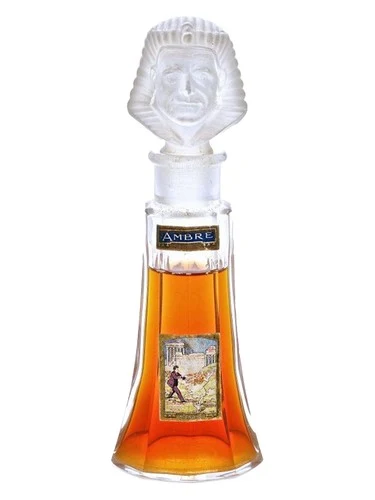
The Bichara house, founded in 1896 by Mr. Malhame, ‘The Syrian Perfumer’, started in Rouen with intoxicating perfumes before moving to Paris. Their success with henna funded their luxury, and with slogans like ‘Allah is great and Bichara is His perfumer’, they won over muses like Sarah Bernhardt and great playwrights. In the 1920s, they expanded across Europe, opening shops in London and supplying royal courts. Their bottles were works of art, like the Ramses II obelisk made of Baccarat crystal, which is worth thousands today. Although Rose, their daughter, kept the formulas intact without changing them, the brand lost its luster after her death. I have a bottle of Ambre from the 1920s, with thick glass and an old seal; the liquid, once orange, is now dark due to vanilla oxidation. Bichara never revealed notes, viewing the perfumer as a ‘tailor’ who creates to measure, not a merchant. Rose said that perfume was once used for one’s own pleasure and well-being, not to attract, as it is today. With over 20 unlisted perfumes, I feel I’ve gone on too long, but it’s hard to see how houses with such rich history are being forgotten.